Bananas reproduce through rhizomes, which are underground stems that grow horizontally and send out shoots from its nodes. How does the banana reproduce Asexual reproduction ensures that the taste and texture of the bananas remain consistent from generation to generation, as the genetic makeup is identical
Banana is multiplied by the means of(A)Seeds(B)Leaf Cutting(C)Rhizome(D)Offsets
What is the future of banana cultivation, considering the risks associated with asexual reproduction?
The banana, beloved for its sweet taste and versatility, is a fascinating fruit when it comes to reproduction
While most plants reproduce sexually through the fusion of male and female gametes, bananas have a unique way of reproducing asexually So, how does the banana reproduce asexually Let’s explore this intriguing process along with some related frequently asked questions. It is a form of asexual, or vegetative, reproduction, that makes the banana plant perennial
Suckers emerge and ensure a more or less continuous supply of shoots, each capable of producing an inflorescence. In order to meet the world demand for this fruit, banana plants are grown in several tropical countries, many of which are islands. What type of reproduction does a banana plant have Farmers propagate banana plants through vegetative reproduction rather than seeds
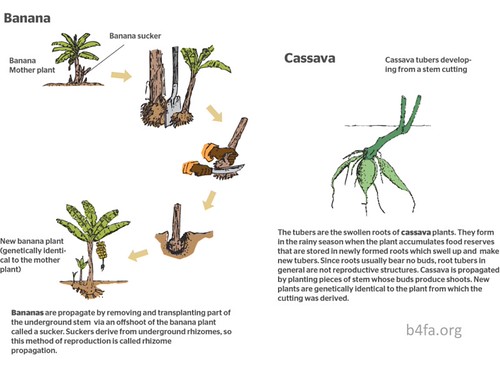
These plants grow from thick, underground stems called rhizomes
The rhizome spreads and grows new buds and shoots near the base of the mature plant


