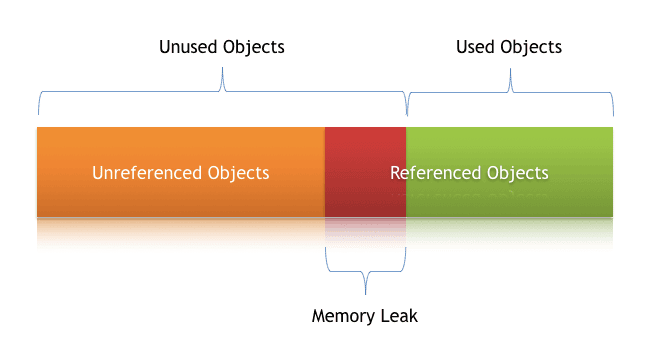
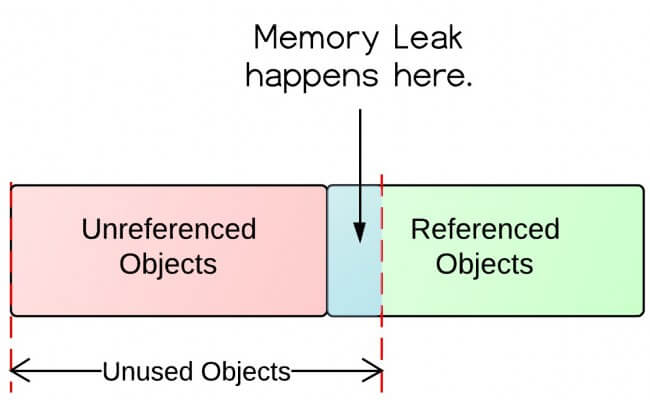
Why do memory leaks happen in java Learn how to diagnose jvm memory leaks in production using heap dumps, gc log analysis, and monitoring techniques We know that java cleans up memory automatically with the help of garbage collector but still memory leaks can happen, this happens because our program keep holding onto things that are no longer needed.
Memory Leak in Java: How to Detect and Avoid
A memory leak occurs when an application unintentionally holds references to java objects or classes, preventing them from being garbage collected
These unintentionally held objects or classes can grow in memory over time, eventually filling up the entire java heap or metaspace, causing frequent garbage collections and eventual process.
Explore strategies to detect and fix memory leaks in java Understand tools like visualvm, mat, and best practices for optimal memory management. Explore common causes of memory leaks in java, including static references, threadlocals, unclosed resources, and more Learn practical prevention strategies and code examples.