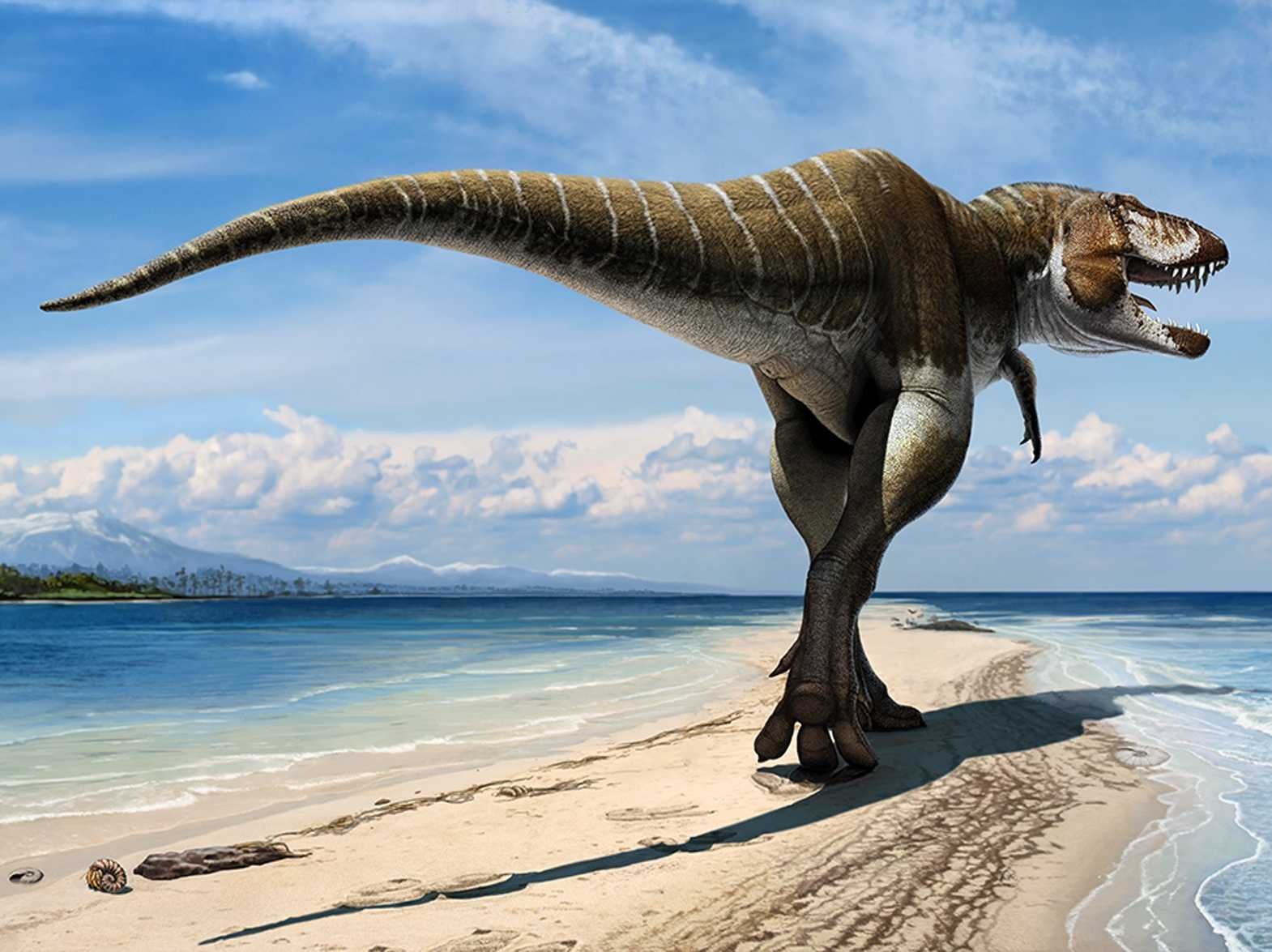
Dinosaurs lived in many kinds of terrestrial environments, and although some remains, such as footprints, indicate where dinosaurs actually lived, their bones tell us only where they died. Velociraptor velociraptor, late cretaceous dinosaur After dinosaurs were recognized as a new type of fossil animal, popular fascination with them reached a peak in the 1850s with the first attempts to reconstruct iguanodon, megalosaurus, and hylaeosaurus.
Free stock photo of dinosaur
Dinosaur, the common name given to a group of reptiles, often very large, that first appeared roughly 245 million years ago (near the beginning of the middle triassic epoch) and thrived worldwide for nearly 180 million years.
The chief difference between the two major groups of dinosaurs is in the configuration of the pelvis
The two dinosaurian orders were named saurischia and ornithischia in 1887. Dinosaurs are currently defined as triceratops (representing ornithischia), birds (representative of saurischia), and all the descendants of their most recent common ancestor Dinosaur studies include phylogenetic analyses, functional anatomic studies, and mechanical and theoretical models. This initial period of dinosaur evolution set the stage for their dominance in the mesozoic era
Throughout the mesozoic era, which lasted from about 252.2 million to 66 million years ago, dinosaurs were the dominant terrestrial animals. The mass extinction of dinosaurs 66 million years ago remains a misconception The fossil record shows that dinosaurs were already in decline during the late cretaceous.